

“Your inside person does not have an age. It is all the ages you have ever been and the age you are at this very moment.”
— Anne Lamott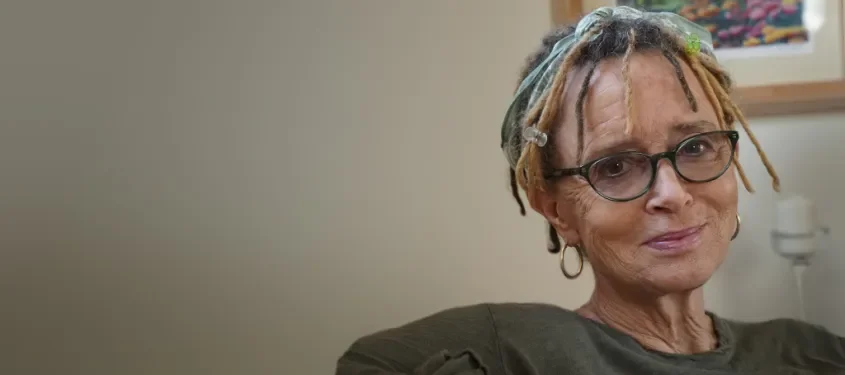
What is the difference between
coaching, and counseling/therapy?
A good coach often helps clients:
Clarify values.
Set meaningful goals.
Develop confidence.
Navigate career or life transitions.
Stay accountable.
Build healthier habits.
A good therapist often helps clients:
Recover from trauma.
Treat depression or anxiety.
Work through grief or addiction.
Heal attachment wounds.
Understand unconscious patterns.
Improve emotional regulation.
Both involve:
Deep listening.
Powerful questions.
Empathy.
Trust.
Encouragement.
Personal transformation.
Benjamin Lloyd is not a licensed psychotherapist and does not provide psychological counseling. He works on projects with you - designed to improve your outlook on and preparation for the future.
Your Questions, Answered
-
My coaching can help you with:
Loneliness. Let’s discover community and connection for you. Sometimes we need a little coaching to take the first step.
Estate planning issues. Let’s talk frankly and sensitively about where you are in your planning process, and get you connected to any professional help you may need.
Technology. Bring all your internet and cell phone frustration to me, and we will figure out what we can fix, what we can change, and what we can get rid of.
Self care. Let’s design an easy to execute plan for your well-being, which can include exercise, spiritual practice and meditation, referrals to counselors, and dietary issues. I can be your gentle accountability partner!
Career changes and working as you age. What we did in mid-life may not work for us as we age. Or maybe we know we need to do something different, for whatever reason. Let me support your later in life career transition or retirement.
Family dynamics. As we age, we accumulate years of patterns, memories and yes, resentments that can fester. I can help you create a “script” for difficult family relationships and we can rehearse it together.
These are just some of the topics that we might address. Of course, our initial meetings will be about prioritizing. What shall we work on first, and what can wait?
-
Adults of any age, with a particular interest in helping those thinking ahead to their golden years, as well as those who are are already in them. There is no cut-off age!
-
Rather than avoid my theatrical past, I use it to create the “three act system.” I have a deep and innate understanding of playing roles and the power of the human imagination to transform the world. My extensive experience in the art of improvisation helps me bring a playful and optimistic energy to my coaching. In fact, you might call what I do “yes, and” coaching - affirming where you are and then building a new story together. Finally, I’ve been there - in fact, I AM there. I have the lived experience of entering my own act 3 and beginning a brand-new life.
-
I do not have an office, so we might meet in a coffeeshop in or near Boulder, or we might go for a walk together, or we might meet on the Naropa campus where I am currently a student.
-
I have a two-part answer to this question. No, in that what I am learning in my masters program is very specifically about psychotherapy. But yes, in that there may be mindfulness techniques (for instance) that I offer to you that I have learned at Naropa.
Coaching is a “surface level” exercise. We work on here and now problems, even if that means looking at where you’ve come from. Therapy goes “under the surface” and includes a comprehensive examination of relationships, patterns, feelings, and transpersonal experiences.
-
Unlike psychotherapy, there is no license required to be a personal coach. It is an unregulated industry. So the short answer is that I have no letters after my name (like “Ph. D.”) that designate a completed course of study in coaching.
However, I have been coaching in many guises for most of my adult life. I have been a university-level teacher, a sobriety coach, and a coach for people with developmental disabilities. Each of these roles has given me years of experience in listening, empathizing, and articulating a way forward.
I am the executor of the estates of two relatives in their 80s and have recently lost my father so I am familiar with elder-care and estate planning issues, and am well-versed in the compassionate language of mortality.
Like therapy, working with a coach is an intimate relationship. This is why I insist that we meet each other either over Zoom or in person before you pay me anything, so we can see if it’s a good fit.
I’ve got more questions!
Excellent - just click on the button below!
We are always evolving, growing, and changing - no matter our age. We can make big decisions later in life that lead to new beginnings, but changes at this stage of living can be met with resistance. I offer you strategies for overcoming that resistance, whether it comes from within or without.
- Benjamin Lloyd